

Key Takeaways
Faux panel walls elevate the aesthetic quality of any environment, infusing rich textures and colors that transform perceptions and foster an inviting atmosphere.
These walls present a budget-friendly solution for attaining a luxurious look without hefty expenses, making them a favorite for both residential and commercial applications.
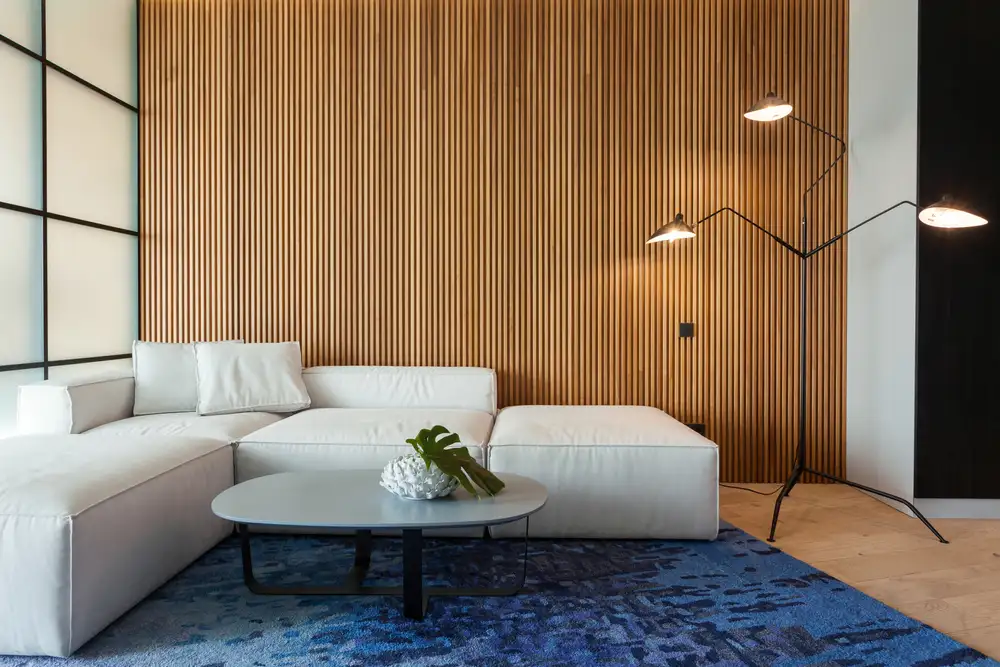
In living rooms, faux panel walls can act as focal points, crafting cozy retreats that effectively shift the perception of space through careful material selection and strategic placement.
Commercial spaces gain from faux panels by enhancing brand image and customer engagement, which helps to create inviting surroundings that nurture loyalty and memorable experiences.
Selecting the appropriate faux panel material involves a keen understanding of texture and finish, as various options can profoundly impact the overall design and functionality of a space.
Durability remains a key consideration when choosing faux panels; high-quality materials can withstand wear while preserving their aesthetic appeal over time.
How installation is approached—whether through professionals or DIY—should be contemplated with care, as the intricacies of faux panel wall projects often call for skilled craftsmanship to achieve optimal results.
Why Faux Panel Walls Are the Ultimate Design Upgrade
The Aesthetic Appeal: More Than Just Looks
The visual charm of a faux panel wall is undeniable. These walls integrate tactile qualities into any setting, blending artistry with functionality. Step into a room dressed in rich textures, contrasting colors, and intricate designs that invite exploration rather than mere observation. Whether it’s a sleek wood finish or a modern stone texture, faux panels create an impressive backdrop for furniture and artwork.
A noticeable shift in mood often accompanies this enhancement, with a previously ordinary space now feeling curated. The aesthetic benefit goes deeper than surface-level; it changes perceptions, rendering the environment intentional. Take a home office, for instance; it can evolve into a creativity hub simply through a well-selected faux panel. Moreover, the visual impact isn’t restricted to individual spaces—maintaining cohesive design across a larger area promotes striking continuity that uplifts the entire property.
Cost-Effective Style: Achieving Luxury on a Budget
Why overspend when faux panel walls provide such remarkable value? High-end materials typically come with substantial price tags. Faux panels, on the other hand, offer the same upscale appearance without the accompanying costs. It’s a classic scenario of achieving style without financial strain. This affordability aspect is one of the primary reasons professionals recommend faux panels for both residential and commercial use.
- Access to numerous styles without significant investment.
- Rapid installation that reduces labor costs.
- Long-term durability that lessens future expenses.
Clients frequently express satisfaction with the balance between style and cost. It’s more than just a passing trend; it’s a financial strategy. By choosing faux panels, elegance can seamlessly infuse into any space without sacrificing financial security. In an era where design must consider budget, this solution stands out.
Powerful Applications of Faux Panel Walls in Various Spaces
Living Rooms: Creating a Cozy Atmosphere
Transforming a living room into an inviting retreat isn’t as complicated as many might think. A faux panel wall can emerge as the central feature, weaving everything together in a warm embrace. The material choice is critical here—warm wood grains can impart a cabin-like ambiance, while lighter tones can enhance an airy feel. It’s about crafting a space that resonates with the inhabitants’ lifestyle and tastes.
Just consider the impact of an accent wall; it can redefine proportions. A thoughtfully placed faux panel wall alters how a room feels—larger or more intimate, depending on the design goal. Textures can contrast beautifully with soft furnishings, amplifying the ambiance. When selecting faux panel materials, it’s wise to reflect on how these will interact with existing elements in the space.
- Consider the existing color scheme.
- Blend various textures for added depth.
- Use lighting strategically to enhance features.
Essentially, living rooms adorned with faux panel walls not only turn visually striking; they evolve into personal sanctuaries. These designs create atmospheres that foster relaxation, comfort, and connections among family and guests.
Commercial Spaces: Boosting Brand Image with Style
In the business arena, first impressions are pivotal. Faux panel walls can boost a commercial setting, establishing the tone for branding and customer experience. Picture a restaurant striving for rustic charm; a carefully selected faux wood panel can cultivate a warm, welcoming atmosphere. Patrons feel invited, thus forming a stronger bond with the brand. It’s remarkable how much subtle design elements can accomplish.
Businesses employing faux panels often note an increase in customer engagement. A thoughtfully designed space can act as a backdrop for unforgettable experiences. The right material choices resonate with brand identity while ensuring longevity and ease of upkeep.
- Enhances aesthetic appeal aligned with brand values.
- Provides cost efficiency in high-traffic environments.
- Encourages customer loyalty through a welcoming vibe.
Investing in faux panel walls is more than a superficial choice; it’s a strategic decision that enhances brand perception. Spaces infused with character tend to attract and retain customers, making this an astute option for enterprises.
Choosing the Right Faux Panel Material for Your Project
Exploring Different Textures and Finishes
The process of selecting faux panels resembles curating an art collection. Each material tells a distinctive story. Options like wood, concrete, and stone alternatives present unique aesthetics and practical uses. Discovering the right fit can transform a design from the mundane to the remarkable. It’s crucial to remember: textures impact light, warmth, and overall atmosphere.
Mixing and layering materials is worth considering. A feature wall with panels of different textures can create exciting visual interest. However, a sense of balance is vital. Too many clashing elements may result in chaos. Clients often find success by confining themselves to two or three complementary materials, ensuring a cohesive look.
- Wood: Perfect for warmth and intimacy.
- Concrete: Ideal for a contemporary-industrial aesthetic.
- Stone: Contributes elegance and sturdiness.
In the end, choosing the right faux panel involves reflecting on overall design ambitions, functionality, and individual preferences. The correct selection elevates the overall appearance while aligning with practical requirements.
Durability Meets Design: The Non-Negotiables
In a fast-changing world, durability isn’t negotiable. Faux panel walls need to withstand wear and tear while maintaining their visual appeal. When evaluating materials, clients should prioritize durability that endures over time. High-quality faux panels resist fading, chipping, and everyday wear.
Research suggests that materials equipped with protective finishes generally last longer in high-traffic zones. It’s prudent to look for panels that include moisture resistance, especially in areas prone to humidity—particularly kitchens and bathrooms.
- Select materials with UV protection to prevent fading.
- Choose water-resistant options for moisture-prone settings.
- Identify panels designed for easy maintenance.
Durability shouldn’t sacrifice style. Faux panels excel in achieving this balance, aiding clients in selecting stylish products that hold up against various environmental challenges.
Installation Insights: What to Expect from the Process
Professional vs. DIY: Finding the Best Approach
Choosing an installation method can significantly influence both budget and outcomes. Many homeowners consider a DIY option, often motivated by potential savings. While this may work for simple tasks, faux panel wall installation can be quite complex. Achieving a polished result leans heavily on craftsmanship and familiarization with material behavior.
Professionals possess the training to manage nuances. They can anticipate potential structural issues and guarantee that installation adheres to industry standards. However, embracing DIY isn’t entirely off limits. For those with moderate experience, adhering to comprehensive guidelines and instructions can yield satisfactory outcomes.
- Realistically assess personal skills.
- Consider the necessity for specialized tools.
- Evaluate the time investment against possible savings.
Ultimately, aligning goals with practical skills ultimately decides the route chosen. Seeking guidance from professionals could save time and yield a finished product that surpasses expectations.
Timing and Costs: Making It Work for Your Schedule
Timing and costs are crucial elements in any renovation. Each project has its own schedule, influenced by factors such as space size, design complexity, and material selections. Clients usually discover that planning ahead can mitigate last-minute rushes, allowing for thoughtful decisions regarding style and functionality.
Most installations can take anywhere from a few days to several weeks. This varies based on the thoroughness of the process, which includes preparatory work, painting, and final touches. For clients with tight timelines, opting for seasoned professionals may expedite the installation process.
- Schedule installations during off-peak seasons to take advantage of better rates.
- Create a detailed budget that encompasses materials and labor.
- Include a buffer in the budget for potential unexpected expenses.
Understanding both timing and costs fosters smoother progress, helping to avoid unwelcome surprises along the journey.
FAQ
What materials can faux panel walls be made from?
Faux panel walls typically consist of various materials, including high-density foam, polyvinyl chloride (PVC), and engineered wood. Each material presents unique benefits such as visual appeal, durability, and maintenance ease, making selection integral to achieving design objectives.
Can faux panels be painted or stained?
Indeed, faux panels can often be painted or stained, depending on the material. Clients should check compatibility with the specific faux panel type chosen since some finishes might not adhere properly or could compromise the panel’s integrity.
How do faux panels compare to traditional wall coverings?
Generally, faux panels excel in durability and aesthetic flexibility compared to traditional wall coverings. They provide richer textures and are less vulnerable to damage, making them an attractive option for both residential and commercial environments.
What are some common applications for faux panel walls outside of living rooms and commercial spaces?
Faux panel walls can be effectively used in various settings, including hallways, entryways, and home offices. They enhance visual interest and can forge unique focal points, altering the overall ambiance.
Are faux panels suitable for outdoor use?
Some faux panels are indeed designed for outdoor purposes, though not all materials withstand weather exposure. Clients should seek products with UV and moisture resistance if contemplating installation in outdoor environments.
How do maintenance and cleaning compare for faux panels versus traditional materials?
Faux panels typically offer easier maintenance than traditional materials. Most can be wiped clean with a damp cloth and mild detergent, while some materials, like wallpaper, may necessitate more intensive upkeep to maintain their appearance.
Can faux panels be used in areas with high moisture, like bathrooms?
Yes, certain faux panels are specifically engineered for high-moisture spaces, including bathrooms. Selecting options with proper moisture resistance ensures that the panels remain attractive and functional even in humid conditions.
Will faux panel walls add value to a property?
Faux panel walls can enhance a property’s value by elevating its aesthetic appeal and establishing a distinctive atmosphere. When executed with care, they contribute positively to the overall design, which can serve as a strong selling point for prospective buyers.
Useful Resources
- Houzz: Home Design Ideas and Inspiration
- Apartment Therapy: Home and Living Inspiration
- Environmental Research Institute: Sustainable Design Practices
- Better Homes & Gardens: Home Décor and Renovation Guides
- Architectural Digest: Luxury Home Design and Trends
- Instructables: DIY Projects and Tutorials
- National Wood Flooring Association: Flooring Education Resources
- DecorPad: Interior Design Inspiration and Ideas
- Homedit: Home Improvement and Design Ideas