

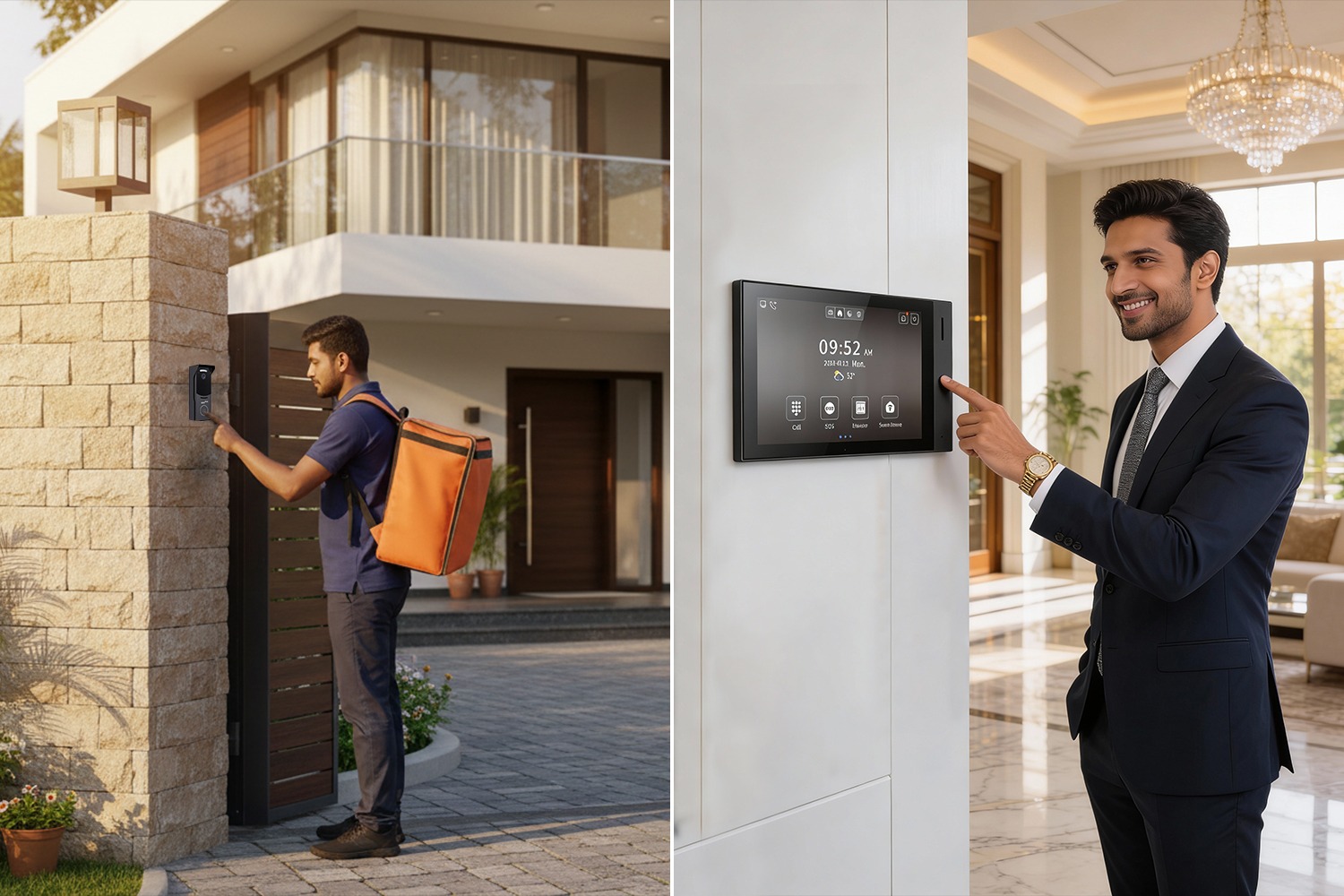
Home security is an important priority for every family. Whether you live in an apartment, an independent house, or a gated residential community, knowing who is standing at your door can help you feel safer. Modern security devices make it easier to identify visitors before opening the door. Choosing the right door communication system can also improve convenience and give you greater control over who enters your home.
A video door phone is a useful home security solution that allows you to see and communicate with visitors before opening the door. It combines a camera, microphone, speaker, and indoor display to help you identify callers from inside your home. When selecting a suitable model, consider your home layout, video quality, communication features, and installation requirements to find an option that meets your family’s needs.
1. Check the Video Quality
Clear video quality is one of the most important features to consider. A good camera should help you recognise visitors without difficulty, even when lighting conditions are not ideal.
Look for a model that provides a clear image and a suitable viewing angle. A wider viewing angle can help you see more of the entrance area, including people standing slightly away from the door. If your entrance receives limited natural light, consider a device with night vision or low-light support.
2. Choose a Suitable Display Size
The indoor monitor allows you to view visitors without going near the entrance. Display size and image clarity can make a difference in everyday use.
Choose a screen that is easy for everyone in your family to operate. A larger display may be useful for older family members or people who prefer seeing visitors more clearly. Simple controls and clearly labelled buttons can also make the device more convenient.
3. Look for Two-Way Audio
Two-way audio lets you speak with visitors while remaining inside your home. This feature is useful when receiving deliveries, welcoming guests, or asking an unknown visitor about the purpose of their visit.
Before purchasing, check whether the microphone and speaker provide clear sound. Good audio quality helps reduce misunderstandings and allows you to communicate comfortably without opening the door.
4. Consider Night Vision and Camera Coverage
Your entrance needs protection during both daytime and nighttime. A camera with night vision can help you identify visitors when the area is dark.
Also, check the camera’s field of view. Depending on your entrance layout, you may need coverage that includes the doorway and nearby areas. Proper camera positioning is essential to reduce blind spots and improve visibility.
5. Decide Between Wired and Wireless Options
Installation requirements should match your home’s structure. Wired models may provide a stable connection between the outdoor camera and indoor monitor, but they can require additional wiring work.
Wireless or connected models may offer greater installation flexibility, depending on their design and power requirements. Before choosing, confirm the installation process, power supply, network requirements, and compatibility with your existing setup.
6. Check Smart Features and Recording Options
Some systems offer additional features such as mobile notifications, smartphone access, visitor snapshots, or video recording. These functions can help you monitor your entrance when you are away from home, provided the model supports them.
Check whether the system requires an internet connection, a mobile application, memory storage, or a subscription. Choose features that are genuinely useful for your lifestyle instead of paying extra for options you may rarely use.
7. Compare Installation, Warranty, and Budget
Price is important, but the cheapest option may not always provide the features you need. Compare display quality, audio performance, camera coverage, durability, and after-sales support before making a decision.
Ask about installation charges, warranty coverage, and the availability of servicing. A reliable product with suitable support can offer better value over time.
Conclusion
Choosing the right security system starts with understanding your home’s entry points and your family’s daily needs. Consider video clarity, two-way audio, night vision, display size, installation, and smart features before making a purchase. A well-chosen video door phone can make visitor identification easier, improve everyday convenience, and strengthen your home’s security by helping you see and speak with visitors before opening the door.