

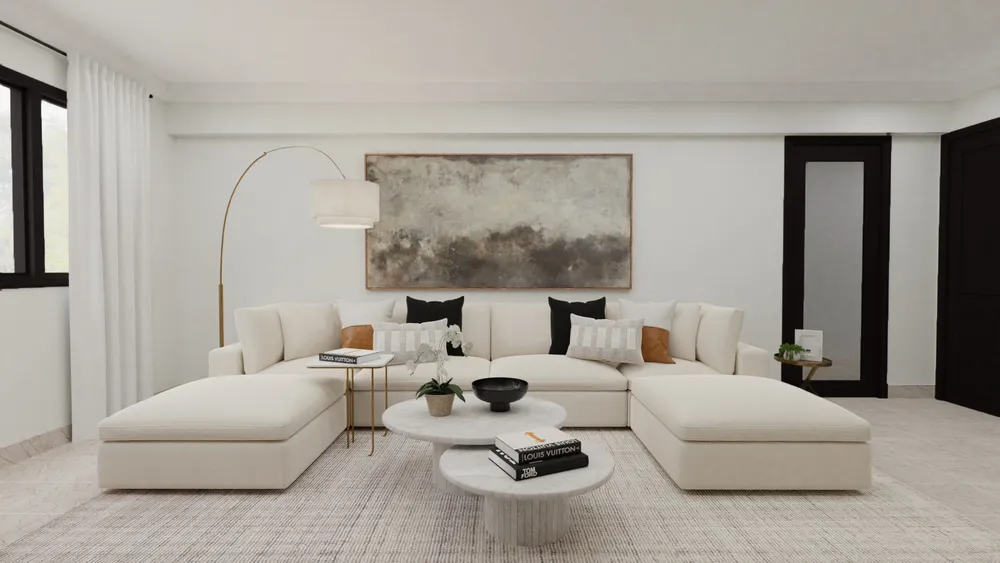
Interior design is often treated as a visual pursuit centered on color swatches, textile choices, and lighting fixtures. While these elements dictate the aesthetic surface of a home, the true emotional and psychological resonance of a space is determined by its layout. The way furniture is arranged dictates how people move, interact, and feel within an architectural boundary.
Furniture placement acts as an invisible hand guiding human behavior. A poorly arranged room can induce subtle anxiety, evoke a sense of confinement, or create social awkwardness. Conversely, a thoughtful, deliberate layout can inspire tranquility, promote vibrant conversation, and foster a sense of security. Understanding the relationship between spatial arrangement and human psychology transforms furniture placement from a chore into a powerful tool for environmental wellness.
The Psychology of Space and Environmental Comfort
To understand why furniture placement alters emotional perception, one must consider environmental psychology. Humans possess an innate sensitivity to spatial proportions and boundaries, a concept closely tied to evolutionary survival mechanisms.
Proxemics and Personal Boundaries
Anthropologist Edward T. Hall coined the term proxemics to describe the measurable distances between people as they interact. In a residential setting, furniture arrangements establish these distances. When seating is placed too far apart, individuals must raise their voices, destroying the feeling of intimacy and causing the room to feel cold and institutional. If seating is crammed too closely together, it violates personal space bubbles, causing occupants to feel defensive or uncomfortable.
Prospect-Refuge Theory
The Prospect-Refuge theory suggests that humans experience maximum comfort when they have a clear view of their surroundings (prospect) while feeling protected from behind (refuge). In interior design, this dictates how we position primary seating and beds. A sofa placed with its back to an open entryway or a bed positioned directly beneath a window can trigger subconscious vulnerability. Aligning furniture to support a sense of refuge instantly makes a room feel safer and more relaxing.
Traffic Flow and the Illusion of Spaciousness
The physical pathway through a room determines its kinetic energy. If movement through a space feels clunky, the room will invariably feel chaotic and frustrating.
Establishing Natural Circulation Paths
Every room requires a clear point of entry, a destination, and an uninhibited path between them. When furniture blocks these natural walkways, it creates physical friction. Forcing an individual to shimmy past a coffee table or dodge the corner of a media console introduces micro-stressors into daily life. A room with an unobstructed, logical circulation path feels effortless, which translates directly into a feeling of mental clarity and calm.
Sightlines and Visual Weight
Spaciousness is as much an illusion of the mind as it is a reality of square footage. When an individual steps into a room, their eyes scan the environment. If the first thing they see is the tall, dark back of a heavy armchair, the visual progress is halted, making the room feel cramped and small. By keeping sightlines open, placing lower-profile furniture near entrances, and pushing taller pieces against far walls, the eye travels further into the space. This simple manipulation of visual weight tricks the brain into perceiving a small room as expansive and airy.
The Social Dynamics of Seating Arrangements
Furniture layout directly influences whether a room functions as a collaborative social hub or a solitary retreat. The physical positioning of chairs and sofas signals the intended behavior for the space.
Facilitating Conversation
For a living room or family area to feel warm and inviting, seating must be arranged to encourage face-to-face interaction. Grouping furniture in a circular or u-shaped configuration around a central focus point, such as a fireplace or coffee table, creates an intimate conversation pit. This arrangement facilitates natural eye contact and comfortable vocal projection.
Avoiding the Perimeter Pitfall
A common mistake in large or awkwardly shaped rooms is pushing all the furniture against the walls. While homeowners often do this in hopes of maximizing open floor space, it usually backfires. This perimeter layout creates a vast, empty void in the center of the room, making the space feel disconnected, sterile, and awkward, much like a waiting room. Pulling furniture away from the walls, even by a few inches, creates a floating arrangement that feels cohesive and grounded.
Balance, Symmetry, and Emotional Harmony
The human brain seeks patterns and order to process information efficiently. The balance achieved through furniture arrangement determines whether a room feels harmonious or unsettling.
Symmetrical Balance for Formality and Calm
Symmetry involves mirroring identical or highly similar objects on either side of a central axis. A classic example is placing a fireplace in the center of a wall, flanked by two identical sofas facing each other. Symmetrical layouts require very little cognitive processing to understand. Because the brain recognizes the pattern instantly, symmetry evokes feelings of stability, order, formality, and deep calm. This makes it an exceptional choice for bedrooms and formal sitting areas.
Asymmetrical Balance for Dynamism and Energy
Asymmetry achieves balance through objects of equal visual weight rather than identical pairs. For instance, a sofa on one side of a room can be balanced on the other side by two armchairs and a small floor lamp. Asymmetrical arrangements feel casual, contemporary, and dynamic. They invite the eye to move around the room to explore different design moments, injecting a sense of youthful energy and creativity into the space. However, if asymmetrical balance is poorly executed, the room can quickly feel lopsided and chaotic.
Zoning and Purpose-Driven Spaces
In modern architecture, open-concept floor plans have largely replaced segmented rooms. While open spaces provide abundance of light and flexibility, they often feel vast, cold, and purposeless without strategic furniture placement.
Defining Zones Without Walls
Furniture acts as a non-structural partition in an open-concept home. An area rug can bind a living room group together, creating an island of comfort. The back of a floating sofa can serve as a physical boundary that separates the living area from the dining room or home office. When furniture is used to zone a space, each zone gains a distinct identity and purpose. This structural clarity eliminates the feeling of living in an echo chamber and restores intimacy to large footprints.
The Role of Focal Points
Every room needs a narrative anchor, known as a focal point. It could be an architectural feature like a floor-to-ceiling window or a functional piece like an entertainment center. Furniture placement should always respect and enhance this feature. When a layout lacks a clear focal point, or when multiple pieces compete for attention, the room feels scattered and visually exhausting. Aligning the furniture to honor a singular anchor point gives the mind a definitive place to rest upon entering.
Critical Guidelines for Strategic Placement
-
The Rule of Clearances: Always maintain adequate physical space between items. Leave at least fifteen to eighteen inches between a sofa and a coffee table, and ensure major walkways are at least thirty to thirty-six inches wide to allow comfortable passage.
-
Varying Scale and Height: Avoid purchasing matching furniture sets where every piece shares the exact same height and depth. Mix high-profile pieces like bookshelves with low-slung items like accent chairs to create a rhythmic, visually stimulating landscape.
-
Functional Alignment: Arrange furniture based on how the room is actually used, not just how it looks on paper. If a chair is meant for reading, ensure a side table for a drink and a task lamp for illumination are within arm’s reach.
Frequently Asked Questions
How can furniture arrangement fix a room that feels too long and narrow?
Long, narrow rooms often suffer from a hallway effect, drawing the eye rapidly from one end to the other. To break this up and make the space feel wider, avoid placing long furniture pieces along the longest walls. Instead, divide the room into separate functional zones, such as a cozy seating area on one side and a desk or reading nook on the other. Placing a piece of furniture perpendicular to the long walls, like a console table or chaise lounge, acts as a visual speed bump that slows down the eye and widens the perception of the room.
Why does a bedroom feel stressful if the bed faces a certain way?
According to both environmental psychology and ancient design principles like Feng Shui, the placement of the bed heavily influences your sense of security. If the bed is positioned directly in line with the door, or if your back is completely turned to the entry while sleeping, your subconscious mind remains alert to potential intrusion. The ideal position is the commanding position, where the bed is placed diagonal to the door, giving you a clear view of the entrance without being directly in its path, anchored by a solid wall behind the headboard.
Can a room feel empty even if it is full of furniture?
Yes, a room can feel empty and disjointed if the furniture is poorly scaled or spread out along the perimeter of the walls. When items are isolated from one another, they fail to create a cohesive composition, leaving a hollow energy in the center of the space. To fix this, group furniture into conversational clusters anchored by rugs, which visually unifies the individual pieces and fills the spatial void.
How do you balance a room that has a TV and a fireplace competing as focal points?
When a television and a fireplace compete for attention, placing them on opposite walls forces the furniture layout to split its loyalty, resulting in an awkward and confusing room feel. To restore harmony, try to integrate them into a singular focal wall. This can be achieved by mounting the television directly above the fireplace mantle or placing the television on a console immediately adjacent to the fireplace, allowing a single furniture arrangement to comfortably enjoy both features.
What is the psychological impact of seeing the back of a sofa when entering a room?
Seeing the solid back of a sofa immediately upon entering a room acts as a physical and visual blockade. Psychologically, it feels uninviting and exclusionary, signaling to the brain that you are entering a restricted or closed-off zone. If structural constraints require the sofa to back up to an entrance, soften this harsh boundary by placing a slim console table behind it styled with books, plants, or lamps to create a welcoming transition.
How can I make a room feel more energetic without changing the decor?
To inject energy into a stale room, shift the layout from a strict, predictable symmetrical balance to a dynamic asymmetrical balance. Swap matching side tables for mismatched options of equal visual weight, angle an armchair diagonally rather than squaring it off with the walls, or pull furniture away from the boundaries to create unexpected pathways. This forces the brain to actively process the space anew, creating a refreshing sense of movement and vitality.
Should all furniture pieces touch an area rug in a seating arrangement?
To make a room feel grounded and intentional, an area rug should act as a visual frame for the furniture group. Ideally, all four legs of major seating pieces should sit comfortably on the rug. If space is limited, ensuring that at least the front two legs of every chair and sofa rest on the rug is an acceptable alternative. If the rug is too small and sits entirely in the middle without touching any furniture, the layout will feel fragmented, and the rug will appear to float aimlessly like an island.