

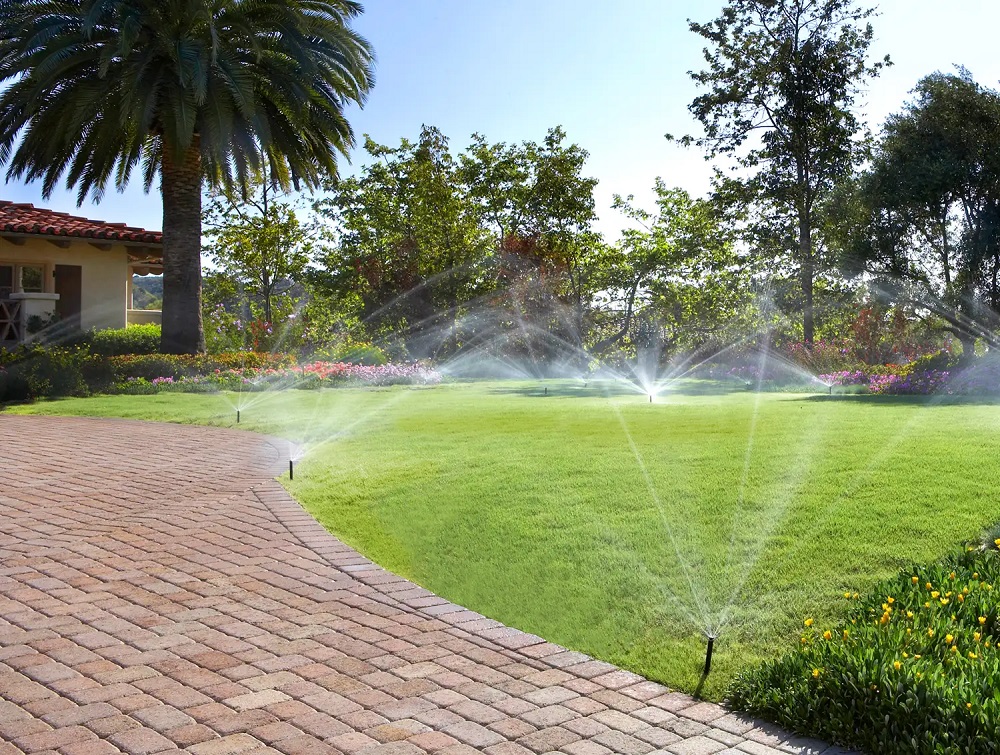
Freshwater scarcity and fluctuating climate patterns have transformed water conservation from an optional environmental practice into a core requirement for modern landscape management. Traditional residential gardens often rely heavily on overhead irrigation and high-maintenance turfgrass, leading to significant water waste through evaporation, surface runoff, and overwatering. Developing a sustainable outdoor space requires a fundamental shift in how we design, install, and maintain residential landscapes.
Water-efficient gardening, often referred to as xeriscaping or climate-smart landscaping, is not about creating a barren environment devoid of life or color. Instead, it is an advanced horticultural approach that maximizes the health and productivity of a garden while minimizing reliance on supplemental water. By understanding soil dynamics, selecting appropriate plant species, and utilizing targeted irrigation technologies, homeowners can cultivate lush, biodiverse outdoor sanctuaries that thrive in harmony with local water resources.
Soil Optimization: The Foundation of Water Retention
The capacity of a landscape to withstand drought begins beneath the surface. Soil structure dictates how water moves through the ground and how effectively plant roots can access that moisture.
Enhancing Soil Organic Matter
Healthy soil acts like a sponge, retaining moisture during periods of rain and slowly releasing it to plant roots over time. Sandy soils drain too quickly, allowing water and vital nutrients to leach out of the root zone, while heavy clay soils compact easily, leading to surface runoff and root rot.
Incorporating high-quality organic matter, such as compost, well-rotted manure, or leaf mold, transforms both soil types. In sandy soils, organic matter binds particles together to trap moisture. In clay soils, it creates macro-spaces that improve water infiltration, preventing the water from immediately washing away over the surface.
The Critical Role of Mulching
Mulching is one of the most effective, low-cost water conservation techniques available to gardeners. A layer of organic mulch spread across the soil surface acts as a protective barrier against the elements.
Mulch reduces soil moisture evaporation by up to seventy percent by shielding the ground from direct sunlight and wind. It also regulates soil temperature, keeping roots cooler in the summer, and suppresses weed growth, ensuring that desirable plants do not have to compete with invasive weeds for limited water. For optimal results, a two-to-three-inch layer of coarse wood chips, shredded bark, or pine needles should be maintained across all garden beds, taking care to keep the material a few inches away from plant stems and tree trunks to prevent rot.
Strategic Plant Selection and Hydrozoning
Selecting the right plants and positioning them intentionally within the landscape forms the core of water-efficient garden design.
Emphasizing Native and Drought-Tolerant Species
Native plants are uniquely adapted to the specific rainfall patterns, soil conditions, and pest pressures of their local geographic region. Once established, native species require minimal, if any, supplemental watering because they have spent thousands of years developing deep root systems designed to survive local dry spells.
Complementing native plants with non-invasive, drought-tolerant specimens from similar Mediterranean or arid climates expands the design palette without draining water resources. Succulents, ornamental grasses, and deeply rooted perennials are excellent choices for reducing a garden water footprint.
Implementing Hydrozoning Principles
Hydrozoning is the practice of grouping plants with similar water, light, and soil needs together into distinct zones. Rather than watering an entire yard uniformly, a hydrozoned landscape is divided into specific microclimates.
-
High-Water Zone: This zone is typically reserved for small vegetable gardens, fruit trees, or a highly managed patch of turfgrass. It is placed close to the house or water source for maximum convenience.
-
Moderate-Water Zone: This area contains established perennials, shrubs, and young trees that require supplemental watering only during extended periods of drought or extreme summer heat.
-
Low-Water Zone: Positioned along the outer perimeters of the property, this zone consists entirely of deeply rooted native trees and drought-resistant flora that rely solely on natural rainfall once their initial establishment period is complete.
Precision Irrigation Technologies
Moving away from traditional overhead spray sprinklers is essential for stopping water waste in outdoor spaces. Traditional sprinklers throw water high into the air, where a substantial percentage is lost to wind drift and evaporation before it ever hits the ground.
Drip and Micro-Irrigation Systems
Drip irrigation delivers water directly to the base of individual plants through a network of flexible tubing and low-flow emitters. By applying water slowly and directly to the soil surface, drip systems allow moisture to soak deeply into the root zone without creating runoff.
Micro-irrigation achieves an efficiency rate of over ninety percent, compared to the dismal fifty-to-sixty percent efficiency of standard spray heads. This targeted delivery keeps the spaces between plants dry, which naturally discourages weed seeds from germinating.
Smart Controllers and Weather-Based Systems
Modern irrigation technology removes guesswork from watering schedules. Smart irrigation controllers utilize local weather data, real-time sensor measurements, and historical climate inputs to automatically adjust watering durations and frequencies.
If a summer rainstorm occurs, a smart controller detects the precipitation and skips the next scheduled watering cycle. Soil moisture sensors can also be buried within root zones to block irrigation systems from running if the ground already contains adequate moisture, preventing the common issue of overwatering.
Rainwater Harvesting and Greywater Utilization
Sustainable gardening extends beyond conserving municipal water; it involves actively capturing and reusing alternative water sources on site.
Designing Passive Rainwater Catchment
Passive rainwater harvesting involves reshaping the topography of the landscape to slow, spread, and sink rainwater into the ground rather than letting it escape into storm drains. Creating rain gardens, swales, and dry creek beds slows down stormwater runoff.
By directing roof gutters into these shallow, vegetated depressions, water is held on site long enough to filter down into the deep subsoil, naturally replenishing the local water table and deep-watering the root systems of nearby trees and shrubs.
Active Rainwater Storage
Active harvesting utilizes rain barrels or underground cisterns connected to roof downspouts to collect and store water for later use. Rainwater is naturally soft, devoid of treatment chemicals like chlorine, and sits at an ideal temperature for plant health. Storing this resource allows gardeners to keep high-water zones hydrated during dry summer months without drawing from municipal supplies.
Critical Maintenance Practices for Low-Water Landscapes
-
Proper Establishment Watering: Drought-tolerant plants are not instantly independent. New installations require regular, deep watering for the first one to two growing seasons to encourage their root systems to grow deep into the soil matrix.
-
Mowing Height Adjustments: If turfgrass is included in the design, raise the mower blade to a height of three to four inches. Taller grass blades shade the soil surface, reducing moisture evaporation and encouraging deeper, more resilient root growth.
-
Morning Watering Windows: Always schedule irrigation cycles for the early morning hours, ideally between four and eight o’clock. Cooler morning temperatures and calm winds minimize evaporative loss and allow foliage to dry quickly, preventing fungal diseases.
Frequently Asked Questions
Can I include a traditional lawn in a water-efficient garden design?
Yes, you can include a traditional lawn, but its size and placement should be highly intentional. Instead of using turfgrass as a default groundcover for the entire yard, treat it like an outdoor rug, restricting it to small, functional areas where children or pets actively play. Choosing drought-resistant turf varieties, such as hybrid Bermuda or fine fescues, helps lower water requirements, and keeping the grass separated into its own hydrozone prevents overwatering neighboring plants.
What is the difference between xeriscaping and zero-scaping?
Xeriscaping is a legitimate landscaping methodology focused on water conservation through smart design, soil improvement, efficient irrigation, and appropriate plant selection to create a vibrant, living ecosystem. Zero-scaping is a slang term used to describe a space covered almost entirely in gravel, rocks, or concrete with little to no living vegetation. Zero-scaping can create localized heat islands and does not support urban biodiversity.
How do I know if my drought-tolerant plants are being overwatered?
Overwatering drought-tolerant plants often causes symptoms that mimic underwatering, which can confuse gardeners. When soil remains continuously saturated, plant roots drown from a lack of oxygen and begin to rot, preventing them from absorbing water. Look for yellowing leaves, soft or mushy stems, a distinct musty odor near the base of the plant, and leaves that drop while still damp, rather than drying up and turning brown.
Is greywater safe to use on all types of garden plants?
Greywater, which is untreated wastewater from washing machines, showers, and bathroom sinks, is safe for irrigating many ornamental plants, shrubs, and fruit trees, provided you use biodegradable, boron-free, and sodium-low detergents. However, greywater should never be used on root crops or leafy green vegetables where the water comes into direct contact with the edible portions of the plant. It should always be applied directly to the soil, never sprayed overhead.
How long does it take for a water-efficient garden to become fully established?
Most drought-tolerant perennials and shrubs require one to two full growing seasons to establish the extensive root systems needed to survive prolonged dry periods without assistance. Large trees may take three to five years to achieve full independence. During this critical establishment phase, the garden must be watered deeply and regularly, gradually reducing the frequency as the plants show signs of robust new growth.
Why is deep, infrequent watering better than shallow, daily watering?
Shallow, daily watering encourages plant roots to stay near the soil surface where moisture is temporarily available. These shallow roots are highly vulnerable to heat stress and dry out rapidly during hot afternoons. Deep, infrequent watering forces the soil moisture down into the lower subsoil layers, training plant roots to grow downward in search of water, making the entire landscape much more resilient against drought.
Do stone mulches work as effectively as wood mulches for water conservation?
Stone mulches, such as gravel, river rock, or pebbles, are highly durable and excellent for suppressing weeds, but they do not manage moisture or heat as effectively as organic wood mulches. Stone absorbs heat from the sun during the day and radiates it back into the soil and surrounding air at night, which can increase evaporation rates and stress certain plants. Stone mulch is best reserved for dedicated succulent zones or pathways rather than around sensitive plantings.