

A septic tank is a crucial component of a home’s wastewater management system, and its failure can lead to severe consequences. Recognising the signs that your septic tank needs replacing can save you from costly repairs and health hazards.
Key Signs A Septic Tank Needs Replacing:
Persistent Bad Odours: One of the most obvious signs of a failing septic tank is the presence of foul odours around your property. If you constantly smell sewage, it’s a clear indication that your tank might be leaking or overfilled.
Slow Drains: If sinks, toilets, and bathtubs are draining slowly, this could signify a problem with your septic system. While this might sometimes be due to a clog, persistent slow draining often indicates that the septic tank is not functioning properly.
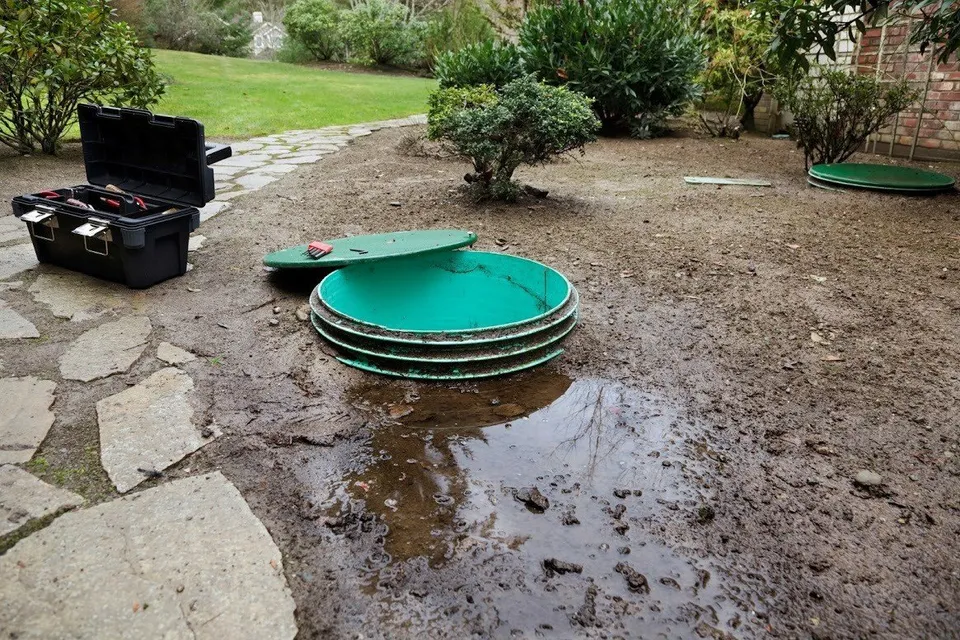
Pooling Water: Unexplained wet spots or standing water in your yard, especially around the drain field, suggest that the septic tank is overflowing or leaking. This can lead to a soggy yard and is a significant health risk.
Sewage Backups: Frequent sewage backups in your home are a severe warning sign. If sewage is backing up into your toilets, sinks, or bathtubs, it’s often due to a full or malfunctioning septic tank.
High Nitrate Levels: If you use well water, testing for high nitrate levels can indicate septic system failure. Leaking septic tanks can contaminate groundwater, leading to elevated nitrate levels.
Septic Tank Replacement and Conversion
When it’s clear that your septic tank needs replacing, several steps and considerations are involved in the process:
Assessment and Planning: Before replacing a septic tank, a thorough inspection by a professional is necessary. They will assess the condition of the existing system, soil quality, and local regulations to determine the best course of action.
Permits and Regulations: Replacing a septic tank requires obtaining the necessary permits. Regulations vary by location, so it’s crucial to adhere to local health and environmental codes.
Excavation and Removal: The old septic tank is excavated and removed. This process involves heavy machinery and should be done by professionals to ensure safety and compliance with environmental standards.
Choosing a New System: Depending on your property and local regulations, you might consider different types of septic systems. Options include conventional gravity-fed systems, aerobic treatment units, or mound systems. Each has its advantages and specific use cases.
Installation: The new septic tank is installed, ensuring proper placement and connection to the existing plumbing system. This step includes constructing a new drain field if necessary.
Conversion Options: Homeowners may opt to convert their septic systems to connect to a municipal sewer system, if it is available to do so. This conversion involves decommissioning the old septic tank and connecting the home’s wastewater system to the municipal sewer lines.
Inspection and Maintenance: After installation, the new septic system must be inspected and regularly maintained to ensure longevity and proper function. Regular pumping and inspection help prevent future failures.
Septic tank replacement and conversions are a significant undertaking, but with proper planning and professional assistance, it can ensure your home’s wastewater system functions efficiently and safely for years to come. Septic tank specialists DASA, have a team of experienced professionals to carry out numerous septic tank services effectively and efficiently. Get in touch with the drainage specialists today.