

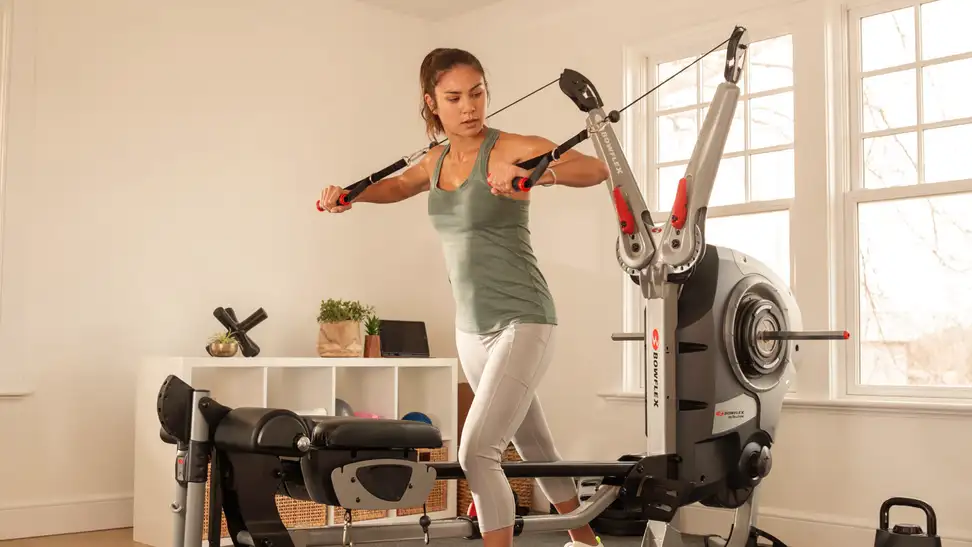
Home fitness can sound ideal. There is no commute, no waiting for equipment, and no need to pack a gym bag. For some people, home workouts work well. But in Singapore, many homes are compact, shared, and designed for family life rather than full exercise setups. This can make a full gym more practical than buying home equipment.
A fitness gym singapore membership can solve several problems that home equipment cannot. It provides space, variety, climate control, proper flooring, and access to machines and classes without turning the living room into a workout zone. For many Singapore residents, a gym is not less convenient than home training. It may actually be the more realistic long-term option.
Space Is the Biggest Limitation
Many Singapore homes have limited spare space. HDB flats, condos, and apartments often need to serve multiple purposes. A living room may be used for family time, dining, work, study, and relaxation. Adding bulky fitness equipment can quickly create clutter.
A yoga mat or resistance band is easy to store. But larger equipment such as benches, dumbbells, treadmills, bikes, or racks can take up valuable space.
A gym solves this by keeping exercise in a dedicated environment. The home stays comfortable, and the workout space remains separate.
Home Equipment Can Become Clutter
Many people buy equipment with strong motivation. At first, they use it often. Over time, life gets busy, and the equipment starts collecting dust. Exercise bikes become clothes racks. Dumbbells get moved into corners. Resistance bands disappear into drawers.
This does not happen because people are lazy. It happens because home environments are full of competing distractions.
A gym creates a clearer boundary. When someone enters the gym, the purpose is exercise. That mental shift can improve consistency.
Noise Is a Real Issue in Apartments
Home workouts can disturb neighbors or family members. Jumping, running in place, dropping weights, or moving equipment can create noise and vibration. This is especially important in apartment living.
Because of noise concerns, people may avoid high-impact exercises or heavier training at home. This limits workout variety.
A gym is designed for movement. Proper flooring, equipment zones, and dedicated space make exercise more appropriate and comfortable.
Equipment Variety Is Hard to Match at Home
A complete fitness routine needs more than one tool. Strength training may require different weights and machines. Cardio may require bikes, treadmills, or rowers. Mobility work needs space. Classes need instruction and energy.
Recreating this at home is expensive and unrealistic for many people.
A full gym provides access to:
- Cardio machines
- Free weights
- Strength machines
- Cable systems
- Class studios
- Stretching areas
- Functional training tools
- Recovery spaces
This variety allows people to train more completely.
Climate Control Matters in Singapore
Singapore’s humidity can make home workouts uncomfortable. Even short sessions can make a room feel hot and damp. Fans may help, but they do not always make intense training pleasant. Air-conditioning can help, but using it regularly for workouts may increase electricity costs.
A gym provides a climate-controlled space designed for exercise. This can make training feel more comfortable and repeatable.
Comfort matters because people are more likely to continue a routine they can tolerate.
Home Distractions Reduce Focus
At home, distractions are everywhere. Someone may pause a workout to answer a message, receive a delivery, help a family member, check work emails, or handle chores. These interruptions can reduce workout quality.
A gym creates separation from daily tasks. The environment helps people focus for a set period.
For busy professionals and parents, this separation can be valuable. It turns fitness into protected time.
Family Routines Can Conflict With Home Training
In shared households, the best workout time may also be when others need the space. Children may be studying, someone may be cooking, or family members may want to relax. This can make home workouts inconsistent.
Going to a gym avoids the need to negotiate household space. It gives the person a dedicated place to train without disrupting others.
This can make fitness easier to maintain peacefully.
Home Equipment May Limit Progression
Progression is important for results. Over time, people need to increase resistance, change exercises, or add challenge. Home equipment can limit this because the range of weights or tools is small.
A gym allows progression through heavier weights, different machines, varied classes, and new training formats.
This helps prevent plateaus and keeps workouts interesting.
Safety Is Easier in a Proper Gym Space
Some exercises require safe setup. Lifting weights in a crowded room or near furniture can be risky. Flooring may not be suitable. Equipment may not be stable. Space may be too tight for proper movement.
A gym offers safer training layouts. Members can use benches, racks, machines, and open areas designed for exercise.
Safety matters more as training becomes more serious.
Classes Add Motivation Home Equipment Cannot Provide
Home equipment is silent unless the person creates motivation. Group classes provide energy, music, instructors, and a shared workout rhythm. This can make exercise more enjoyable.
For people who struggle to stay motivated alone, classes can be the missing piece. A scheduled class gives structure and accountability.
This is hard to recreate at home without the same atmosphere.
A Hybrid Approach Can Work
This does not mean home workouts are useless. A hybrid approach can be excellent. People can use home for light movement, stretching, walking breaks, or quick bodyweight sessions. They can use the gym for strength, cardio, classes, and equipment-based training.
This balance gives flexibility.
For example:
- Gym for strength training
- Gym for classes
- Home for stretching
- Home for short mobility sessions
- Outdoor walks for daily movement
The goal is to use each setting for what it does best.
Cost Should Be Viewed Practically
Buying home equipment can seem cheaper, but costs add up. Quality machines, weights, mats, storage, maintenance, and space all have value. If the equipment is not used, the investment is wasted.
A gym membership can be more practical because members pay for access to a wide range of equipment and facilities without owning or storing them.
The best value depends on usage. If someone uses the gym regularly, the membership can be more useful than unused home equipment.
Choosing Between Home and Gym
People should choose based on their lifestyle, not trends. Home fitness may work well for someone with space, discipline, and simple goals. A gym may work better for someone who needs variety, equipment, classes, and separation from distractions.
Useful questions include:
- Do I have enough space at home?
- Will noise be a problem?
- Do I need heavier equipment?
- Do I stay focused at home?
- Do I enjoy classes?
- Will I progress with my current setup?
- Do I need climate-controlled training?
Honest answers make the decision clearer.
Where Brand Fit Matters
For many Singapore residents, a full gym is not just an alternative to home equipment. It is a practical solution to space, climate, variety, and consistency challenges.
People comparing options may consider True Fitness Singapore when looking for an indoor fitness environment that offers more training variety and support than most home setups can provide.
FAQ
Is home fitness enough for most people?
It can be enough for some people, especially for light movement and simple routines. Others may need more equipment, space, and structure.
Why do home workouts often fail?
Home workouts can fail because of distractions, limited space, lack of equipment, noise concerns, and reduced motivation.
Is a gym better for strength progression?
For many people, yes. A gym usually offers more weights, machines, and training options for gradual progression.
Can someone use both home workouts and a gym?
Yes. Many people use home for stretching or quick sessions and the gym for strength, cardio, and classes.