

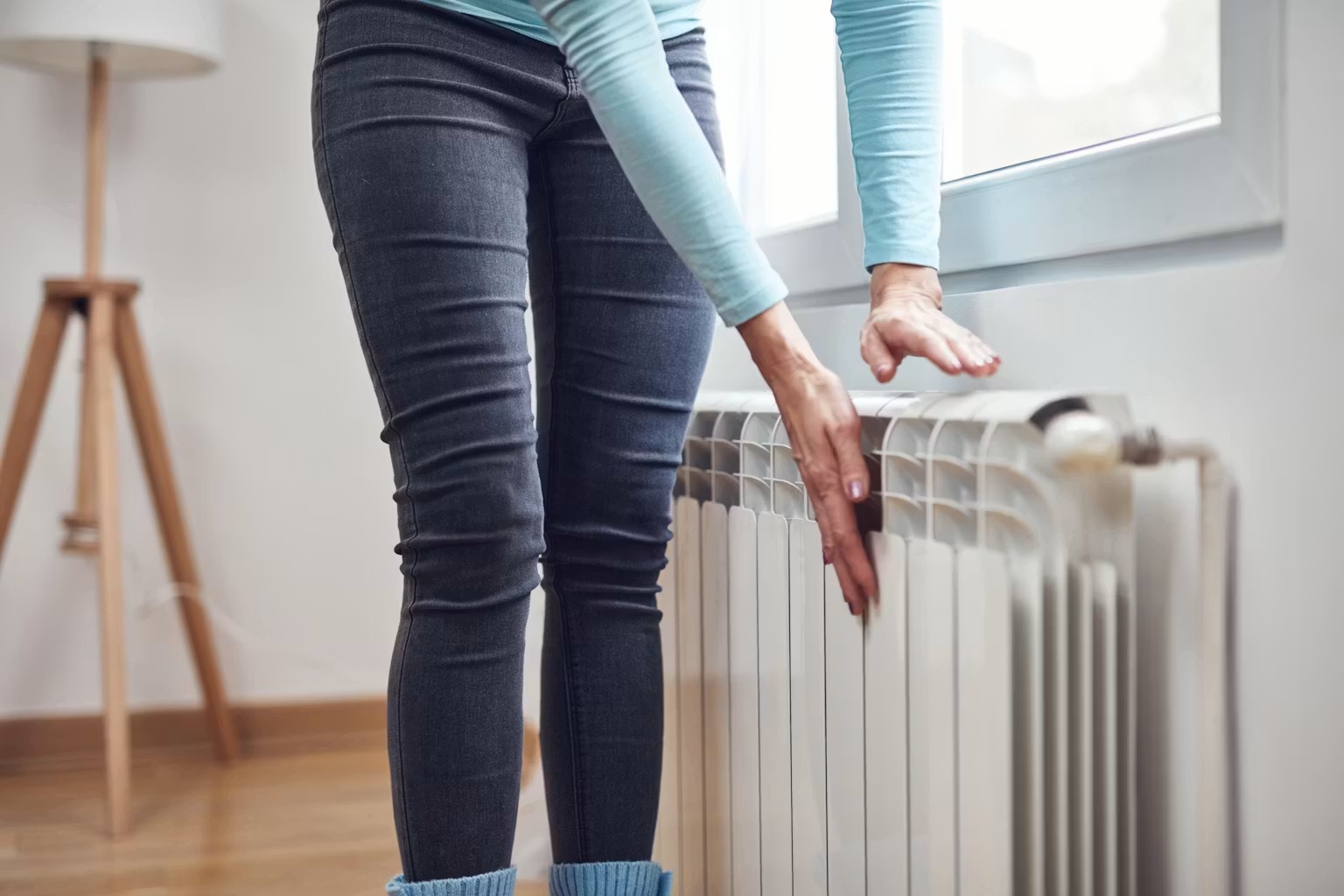
Some homes feel hotter than expected, even when the weather is not extreme. The air conditioner may be running, the blinds may be closed, and fans may be on, yet certain rooms still feel stuffy, warm, or uncomfortable. This is a common issue in many Australian homes, especially during long periods of hot weather.
The problem is not always the cooling system alone. A home can feel hotter because of poor insulation, weak airflow, sun exposure, roof heat, old windows, gaps around doors, or a cooling setup that does not match the layout. When these issues are ignored, homeowners often spend more on energy while still struggling to stay comfortable.
Understanding the hidden causes of heat build-up can help homeowners make better decisions before summer becomes difficult. For households reviewing their cooling performance, companies such as Total Air are often considered when looking at practical ways to improve indoor comfort.
Poor Roof Insulation
The roof is one of the biggest sources of heat gain in a home. During hot weather, roof spaces can become extremely warm. If insulation is missing, damaged, thin, or poorly installed, that heat can move into the rooms below.
This is why some homes feel hot even after the sun has gone down. The roof and ceiling may continue releasing stored heat into the living areas and bedrooms.
Signs of poor roof insulation may include:
- Rooms becoming hot quickly during the day
- Upstairs areas feeling much warmer than downstairs areas
- Air conditioning running for long periods
- Bedrooms staying warm at night
- High summer energy bills
Good insulation helps slow heat transfer. It does not remove the need for cooling, but it can make the cooling system’s job much easier.
Heat Coming Through Windows
Windows can make a room bright and attractive, but they can also allow a lot of heat inside. Large windows, especially those facing strong afternoon sun, can make rooms feel hotter than the rest of the home.
Even when blinds or curtains are used, heat may still build up if the glass is exposed for several hours each day. West-facing windows are often a major problem in Australian homes because they receive strong afternoon heat.
Helpful improvements may include:
- External blinds or awnings
- Shade sails or pergolas
- Blockout curtains
- Window tinting
- Plantation shutters
- Trees or outdoor shading
- Double glazing where suitable
External shading is often more effective than internal coverings because it helps stop heat before it reaches the glass.
Poor Airflow Between Rooms
A home can feel uncomfortable when cool air does not move properly. One room may become cold, while another stays warm. This is often caused by poor airflow.
Airflow problems may happen because of closed doors, blocked vents, furniture placement, narrow hallways, or a cooling system that is not designed for the home’s layout.
For example, if a split system is installed in one living area, it may not cool bedrooms at the other end of the house. If ducted vents are blocked or poorly placed, some rooms may receive weaker airflow than others.
Homeowners should check whether furniture, curtains, rugs, or storage items are blocking vents or indoor units. Even small obstructions can affect performance.
Gaps Around Doors and Windows
Small gaps can make a big difference. If cool air escapes and hot air enters, the home becomes harder to keep comfortable. Gaps around doors, windows, vents, floorboards, and older frames can reduce cooling efficiency.
This is especially common in older homes. A cooling system may be working properly, but the home may not hold the cooled air well.
Common signs of air leaks include:
- Hot drafts near doors or windows
- Dust entering through gaps
- Rooms cooling slowly
- Air conditioning running constantly
- Uneven temperatures between rooms
Door seals, weather stripping, gap fillers, and proper window maintenance can help reduce air leakage. These are often simple upgrades, but they can improve comfort noticeably.
Dark Roofs and External Heat Build-Up
The outside of a home affects the inside temperature. Dark roofs, dark exterior walls, paving, concrete, and unshaded outdoor areas can absorb and hold heat. This heat can radiate back toward the home and make indoor spaces warmer.
Homes surrounded by hard surfaces often feel hotter because concrete and paving store heat during the day and release it later. This can make outdoor areas and nearby rooms uncomfortable well into the evening.
Possible improvements include:
- Adding shade trees or plants
- Using lighter exterior finishes when renovating
- Installing pergolas or shade structures
- Reducing unnecessary hard paving
- Adding outdoor blinds to exposed areas
- Improving roof ventilation
Cooling a home is easier when the outside environment is also managed properly.
An Old or Undersized Cooling System
Sometimes the issue is the cooling system itself. An older unit may no longer perform efficiently. It may use more energy, cool unevenly, or struggle during very hot days.
An undersized system can also be a problem. If the unit is too small for the area, it may run continuously without reaching the desired temperature. On the other hand, an oversized system may cool too quickly without properly managing airflow or humidity, depending on the setup.
Warning signs of a poorly matched or aging system include:
- Long cooling times
- Weak airflow
- Frequent cycling on and off
- Unusual noises
- Higher energy bills
- Some rooms staying hot
- Poor performance during heatwaves
A cooling system should match the home’s size, layout, insulation level, and household needs.
Dirty Filters and Poor Maintenance
Even a good air conditioning system can perform badly if it is not maintained. Dirty filters reduce airflow, make the system work harder, and can affect indoor air quality.
Over time, dust, debris, and wear can reduce performance. The system may still turn on, but it may not cool as effectively as it should.
Regular maintenance can help identify issues such as blocked filters, worn parts, refrigerant problems, drainage issues, or weak airflow. Homeowners should not wait until the system breaks down before checking it.
Basic maintenance habits include:
- Cleaning filters regularly
- Keeping outdoor units clear
- Checking for unusual sounds
- Not ignoring leaks or smells
- Booking servicing before peak summer
- Watching for sudden changes in performance
A well-maintained system is more likely to handle hot weather without unnecessary strain.
Rooms That Receive Heat From Appliances
Some rooms feel hotter because of the appliances used inside them. Kitchens, laundries, home offices, and entertainment rooms can all generate extra heat.
Ovens, cooktops, dryers, computers, televisions, chargers, and lighting can add warmth to indoor spaces. During summer, this extra heat can make cooling harder.
Simple changes can help, such as cooking earlier in the day, using outdoor cooking where practical, running dryers at cooler times, switching off unused electronics, and improving ventilation in appliance-heavy rooms.
This is especially useful in open-plan homes where heat from one area can spread quickly.
Poor Zoning in Larger Homes
In larger homes, cooling every room the same way may not be efficient. Some areas are used constantly, while others are rarely occupied. Without zoning, homeowners may waste energy cooling spaces that do not need it.
Poor zoning can also create comfort problems. A living room may feel comfortable while bedrooms stay warm. A guest room may receive cooling even when unused. A home office may need cooling during the day, while sleeping areas need it at night.
Zoning allows better control over which areas receive cooling and when. This can improve comfort and help reduce waste.
Heat Trapped in Upper Levels
Two-storey homes often have hotter upper floors because heat rises. Bedrooms upstairs can become uncomfortable at night, even if downstairs areas feel cool.
This issue can be made worse by poor roof insulation, weak airflow, large windows, or limited ventilation. If the cooling system is not designed to manage both levels properly, the temperature difference can become frustrating.
Improving upper-level comfort may require better insulation, stronger airflow planning, zoning, window shading, or a more suitable cooling setup.
Overlooking Night-Time Comfort
Many homeowners focus on daytime heat but forget about night-time comfort. Warm bedrooms can affect sleep quality, mood, and energy the next day.
A home may cool down slowly at night because heat remains stored in walls, roof spaces, flooring, and furniture. If bedrooms have poor airflow or face afternoon sun, they may remain warm long after sunset.
To improve night-time comfort, homeowners can focus on bedroom shading, ceiling fans, better ventilation during cooler hours, lighter bedding, and cooling systems that suit sleeping areas.
Fixing the Hidden Problems First
When a home feels hotter than it should, the solution is not always to run the air conditioner harder. That may increase energy costs without solving the real issue.
A better approach is to look at the whole home. Insulation, windows, shading, airflow, maintenance, zoning, gaps, roof heat, and appliance use all affect indoor comfort.
By identifying the hidden problems, homeowners can make smarter upgrades and get better results from their cooling system.
A Cooler Home Starts With Better Planning
Australian homes can feel hotter than expected for many reasons. Some issues are obvious, such as strong sunlight through windows. Others are hidden, such as poor insulation, air leaks, blocked airflow, or an aging cooling system.
The most comfortable homes usually combine good building performance with the right cooling solution. When heat gain is reduced and airflow is improved, air conditioning can work more effectively.
A home that stays comfortable through summer is not created by one single change. It comes from understanding how heat enters, how cool air moves, and how the home responds during long hot days. With the right planning, homeowners can create indoor spaces that feel cooler, more efficient, and easier to live in.