

Most people spend a significant amount of time thinking about how their home looks. Far fewer spend time thinking about what their home actually puts into their bodies every day. The air circulating through your rooms and the water coming out of your taps have a direct impact on how you feel, how well you sleep, and how your body functions over the long term.
The good news is that improving both does not require expensive renovations or specialist contractors. Many of the most effective changes are straightforward, affordable, and can be done over a weekend.
Where Indoor Air Quality Goes Wrong
Indoor air is often more polluted than outdoor air, which surprises most people. The sources are everywhere. Cleaning products, synthetic furnishings, carpets, paint, mould spores, dust mites, pet dander, and even cooking fumes all contribute to what you breathe inside your home every day.
The most impactful first step is ventilation. Opening windows regularly, even for short periods, creates airflow that pushes stale indoor air out and brings fresher air in. This is especially important in rooms that tend to trap moisture, like bathrooms and kitchens, where mould is a persistent risk.
Beyond ventilation, changing your HVAC filters on schedule makes a meaningful difference. Filters that are clogged with dust and debris are not just less effective at catching particles. They also reduce airflow efficiency and can recirculate what they have already trapped. Replacing filters every two to three months, or more frequently if you have pets, is one of the simplest maintenance habits a homeowner can develop.
Houseplants are often suggested as an air quality solution, and while they do absorb some pollutants, their practical impact in a normal-sized room is modest. They are worth having, but they should not be treated as a substitute for proper ventilation and filtration.
The Problem With Unfiltered Tap Water
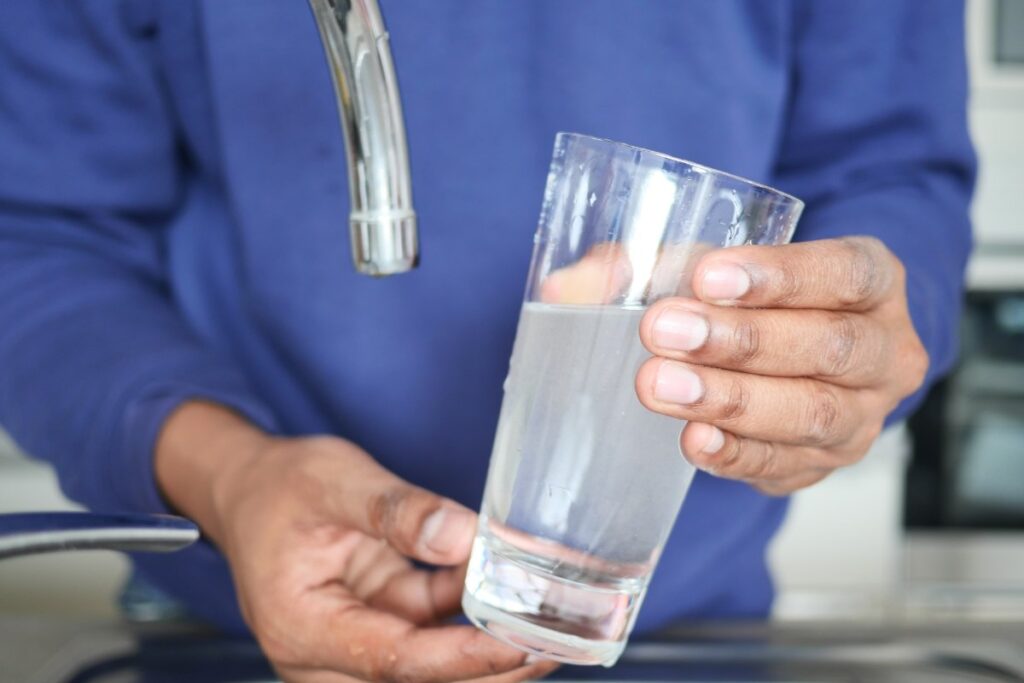
Tap water goes through treatment processes before it reaches your home, but treatment is not the same as purification. Chlorine is added to kill bacteria, which is necessary, but it does not disappear once it reaches your glass. Depending on the age and condition of the pipes in your area, your water may also pick up sediment, rust, or trace metals on its way to your tap.
Many people notice a taste or smell in their tap water and simply accept it as normal. Others switch to bottled water, which is both expensive and environmentally wasteful over time. A more practical long-term solution is filtering at the source.
For households that want comprehensive coverage, whole house water filter systems address the problem at the point of entry, meaning every tap in the home delivers filtered water. This is particularly useful for families with young children, people with sensitivities, or anyone who wants to remove the guesswork about what is in their water entirely.
Humidity: The Factor Most People Miss
Humidity levels inside a home affect both air quality and physical comfort in ways that are easy to overlook. Air that is too dry leads to irritated sinuses, dry skin, and increased susceptibility to airborne viruses. Air that is too humid encourages mould growth and dust mites, both of which are significant allergens.
The ideal indoor humidity range sits between 40 and 60 percent. A basic hygrometer, which costs very little, can tell you where your home currently sits. If levels are consistently outside that range, a humidifier or dehumidifier is a practical investment that pays off quickly in comfort and health.
Kitchens and bathrooms need particular attention. Exhaust fans should run during and for at least ten minutes after cooking or showering. If your exhaust fans vent into the roof cavity rather than outside, they are not solving the problem. They are simply moving it.
Reducing Chemical Load in Cleaning Products
Many standard cleaning products contain compounds that linger in the air long after the surface has been wiped down. Some are minor irritants. Others, with prolonged exposure, are more concerning. This does not mean you need to overhaul every product under your sink immediately, but it is worth being selective.
Fragrance-free or naturally derived alternatives are widely available and work effectively for most household cleaning tasks. Concentrated products that you dilute yourself also reduce the number of spray events and the overall volume of chemicals introduced into the air.
Microfibre cloths used with plain water handle a surprising number of cleaning jobs without any product at all. On sealed surfaces, glass, and stainless steel, they often outperform chemical sprays while leaving nothing behind in the air.
Pulling It Together
Improving air and water quality in your home does not require a dramatic overhaul. It requires consistency. Ventilate regularly, replace filters on schedule, manage humidity, be thoughtful about what you bring into the home, and address your water at the source rather than tolerating what comes out of the tap untreated.
These are not extraordinary measures. They are the kind of baseline maintenance that, over months and years, creates a home environment that actively supports your health rather than quietly working against it.